History – tours
Granite, Grace & Glory: Historic Porto Tour
«Why is Porto called «The Undefeated City»? While other capitals fell to empires and invasions, Porto stood resilient, chiseled out of solid granite. This historic walking tour takes you beyond the postcard views into the labyrinth of narrow, medieval alleys that defined the birthplace of the Portuguese global trade empire.»
A Station Made of Stories: Stand inside São Bento, a train station transformed into a masterpiece of 20,000 blue-and-white azulejo tiles that visually map out Portugal’s bloodiest battles and royal weddings.
The Heart of the Baroque: Marvel at the soaring Clérigos Tower, look up at the fortress-like Porto Cathedral, and learn why the city’s architectural soul belongs to an Italian master who fell in love with Porto.
From Medieval Slums to World Heritage: Descend into the colorful, chaotic Ribeira district along the riverbanks, where traditional wooden Rabelo boats used to dock with barrels of Port wine.

Our process
The Core Itinerary & Route Outline
1
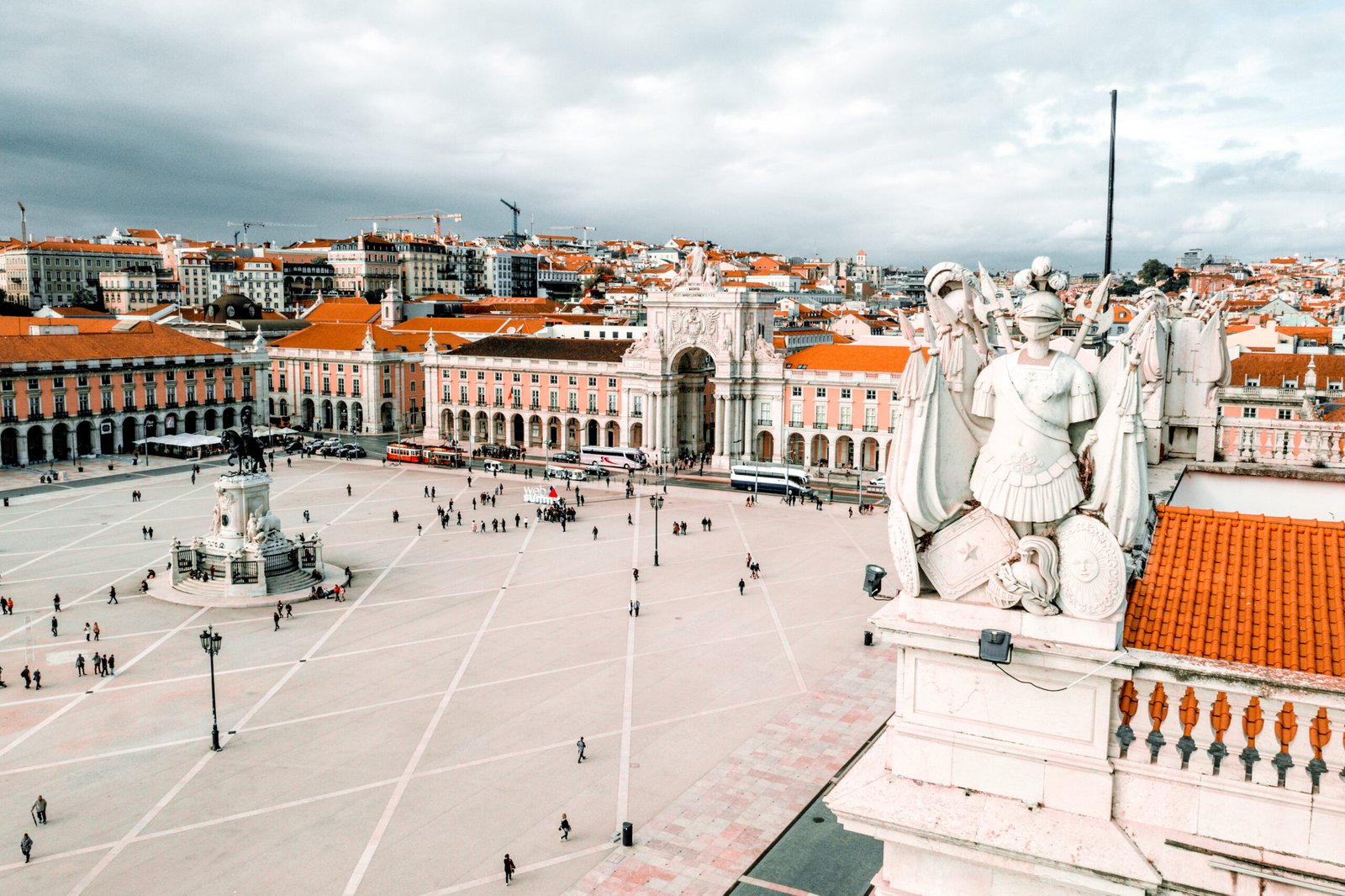
Praça do Comércio
Formerly the site of the Royal Palace, it was rebuilt as a grand gateway to the city after 1755.
2
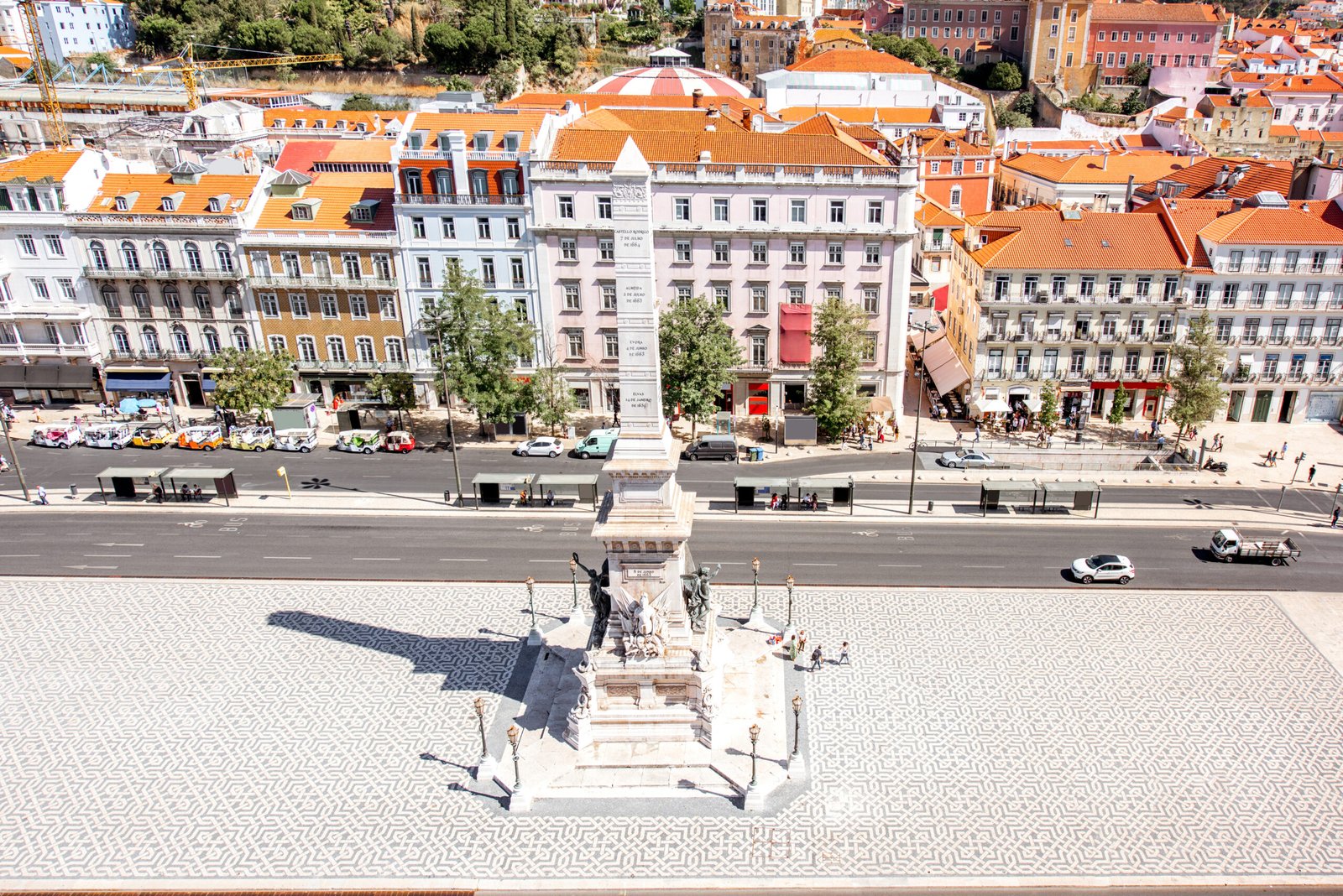
Rossio Square & Carmo Convent
The bustling heart of Lisbon, overshadowed by the haunting, roofless ruins of the Carmo Convent.
3
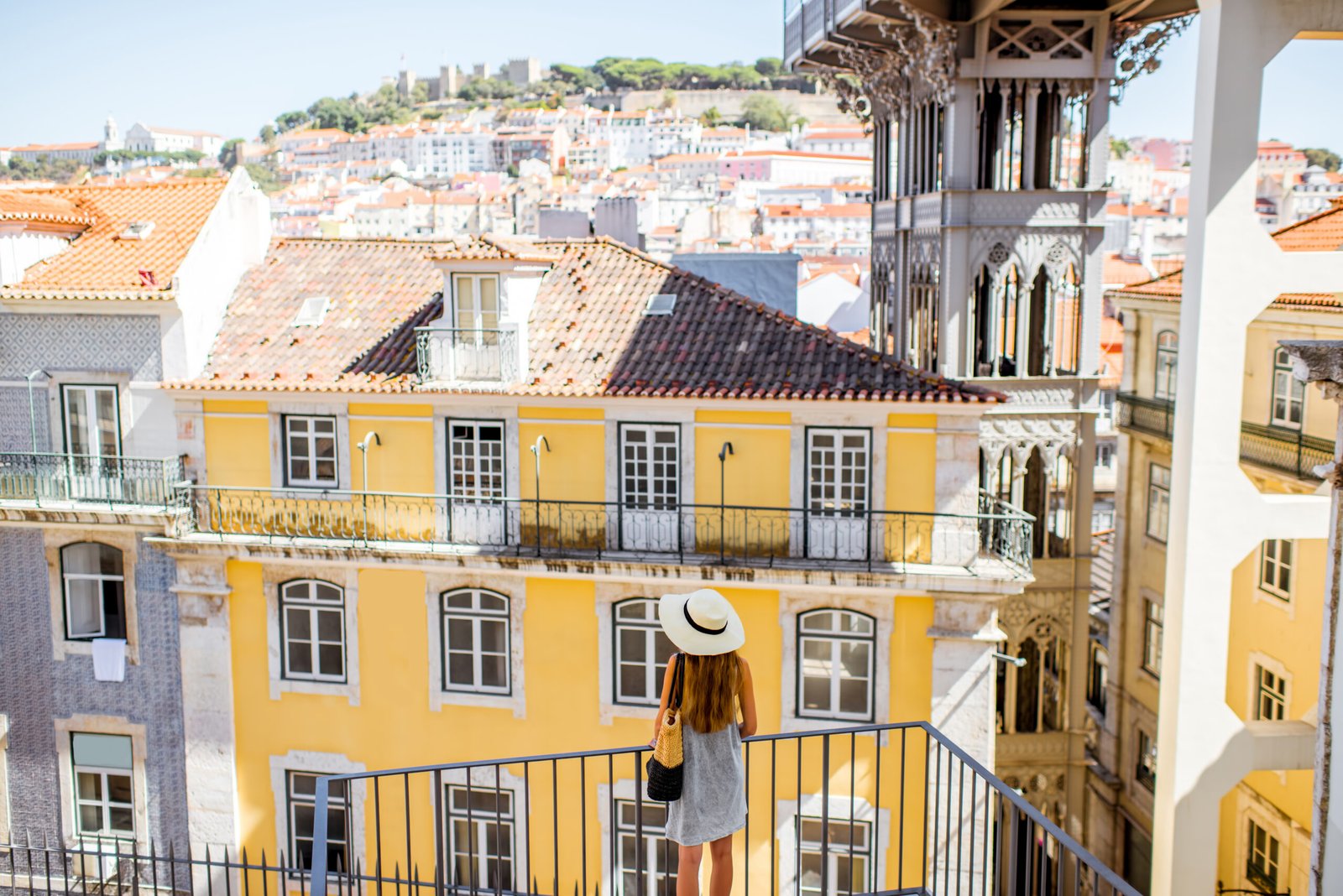
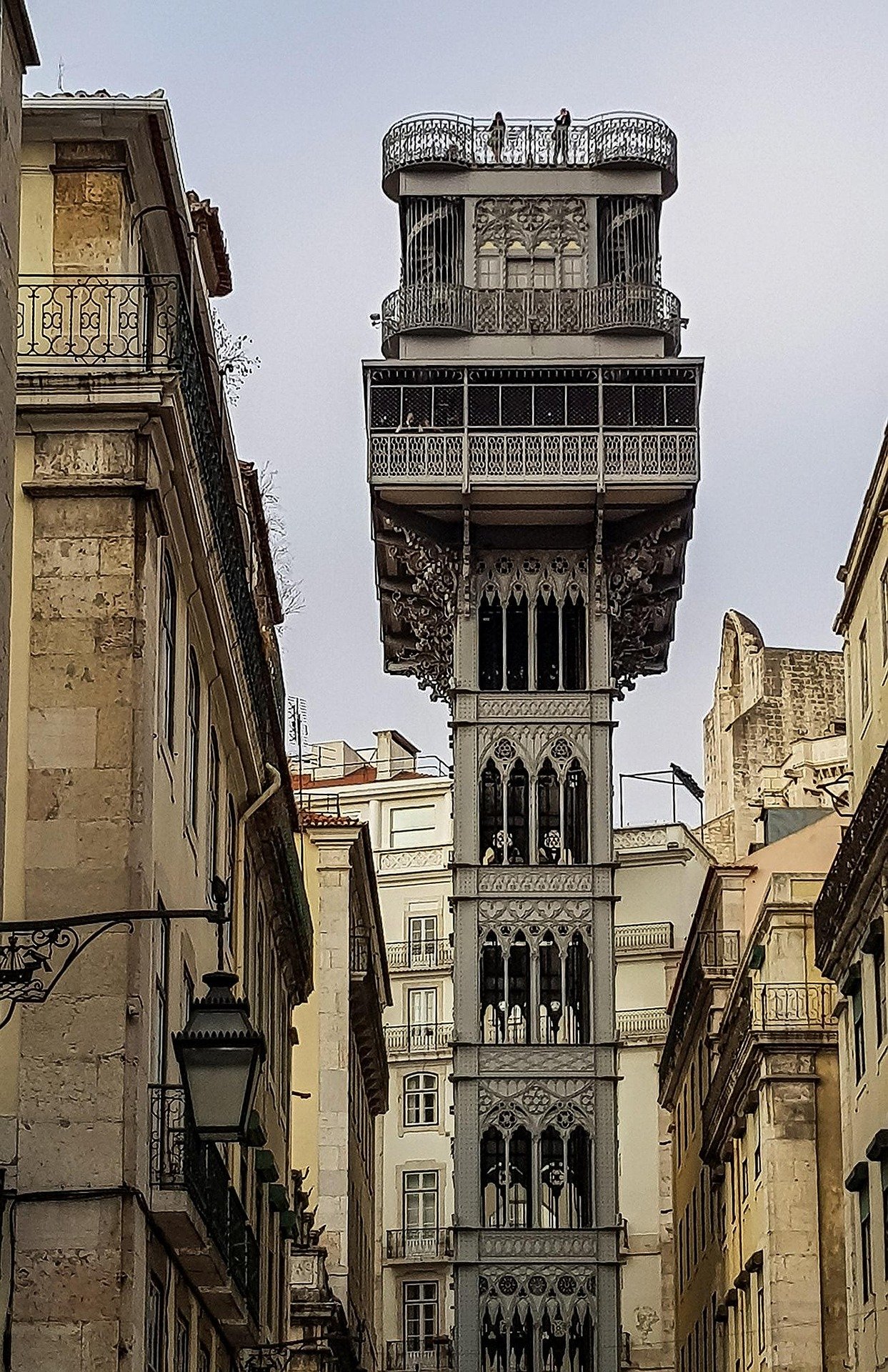
Santa Justa Lift
A stunning, 19th-century industrial iron elevator designed by a student of Gustave Eiffel.
4
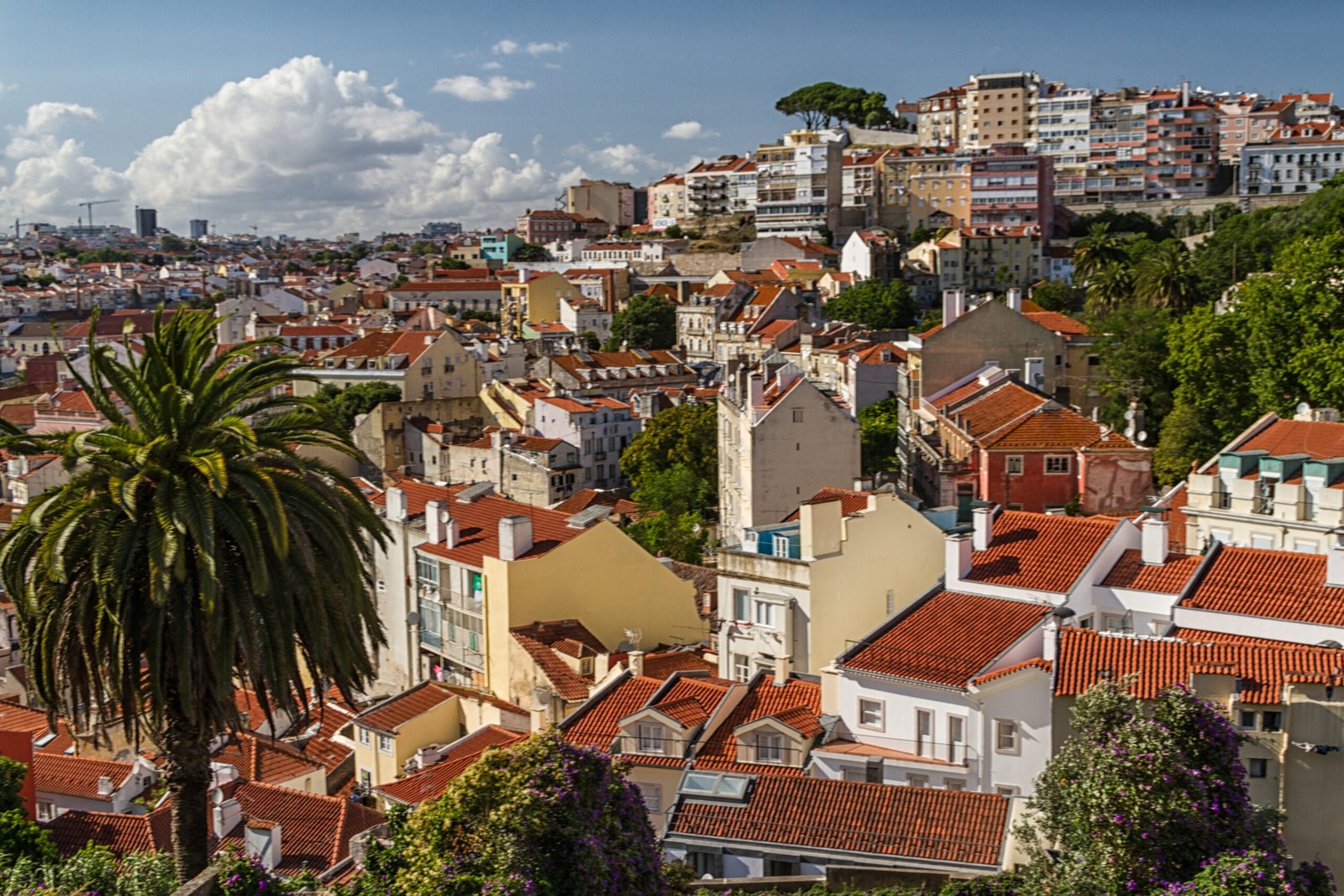
Alfama District & Lisbon Cathedral (Sé)
Lisbon’s oldest, most resilient neighborhood and its 12th-century fortress-cathedral.
Y mucho más…
our client talk
Frequently asked questions
1. Where is the meeting point and how do I spot the guide?
We meet in the center of Praça do Comércio, right next to the massive equestrian statue of King José I. Your guide will be holding a bright [Insert Company Color] umbrella. Please arrive 15 minutes prior to departure.
2. Lisbon is called the «City of Seven Hills.» How difficult is the walking on this tour?
This tour is a moderate physical workout! The first half of the tour through downtown (Baixa) is completely flat. However, to experience Lisbon’s oldest history, we must climb up into the Alfama district. The paths here involve steep inclines, slick limestone cobblestones (calçada portuguesa), and stone steps. It is not recommended for guests with severe mobility issues, heart conditions, or heavy strollers.
3. What should I wear for a walking tour in Lisbon?
The absolute most important thing to bring is shoes with excellent grip (like sneakers or hiking shoes). Lisbon’s famous white and black cobblestones are incredibly beautiful, but they have been polished by millions of feet over centuries and become extremely slippery—even when perfectly dry! Avoid flip-flops, sandals, or high heels.
4. Do we ride the famous yellow Tram 28 during the tour?
No, we do not ride the tram during the public tour. Because Tram 28 is part of the public transit system, it is often incredibly overcrowded, suffers from long delays, and is a hotspot for pickpockets. Instead, we walk the historic routes, allowing you to take beautiful photos of the trams passing by without the stress of the crowds.
5. Where does the tour end, and how do I get back down to the center?
The tour ends at a beautiful panoramic viewpoint (miradouro) in the upper part of the Alfama district. From here, you can easily walk downhill back to the riverfront (about 10 minutes), grab a cold drink at a nearby outdoor cafe, or catch the historic tram or a tuk-tuk down to the city center.